


Dishwasher vs Handwashing: Which Saves More Water, Energy & Time?
Most Malaysians believe handwashing dishes uses less water than a dishwasher. But is it true? We compared water usage, energy consumption, and the time required for each method. The results may surprise you.
Reasons a dishwasher beats washing up.
A Bosch dishwasher is designed to help you reduce water and energy use with every load, especially when using the Eco programme. It can also help keep household running costs in check, while leaving you with less washing up by hand.10x less water than handwashing.
Do you imagine the inside of a dishwasher filled to the brim with sloshing water? Then you’ll be surprised by the appliance’s roughly 10-litre consumption. This low number is possible because a system of pumps, filters and spray jets recirculate the same water throughout the cleaning cycle. And because each jet fires under high pressure and at clever angles, it flushes nooks and crannies, removing tough stains.
By comparison, washing a pile of dishes of the same size by hand requires about 117 litres in a sink and even more if you’re washing up under a running tap. That's over ten times as much water!¹
3x less electricity than handwashing.
It's hard to believe that a machine, which plugs into an electrical socket, clocks up fewer kilowatt hours than old-fashioned elbow grease. The energy consumption question literally boils down to how the water is heated. Most newer dishwashers do the job more efficiently than a boiler. That’s partly because their lower water consumption means less heat energy is needed per load. We found that by the time you’ve filled up your sink and put on your rubber gloves, you’ve used 2.73 kWh energy, while a dishwasher’s power consumption is just 0.96 kWh per cycle – almost three times less.¹
7x times less bacteria than handwashing.
The murkiest part of the post-meal clean-up isn’t the dirty dishwater, but what’s lurking in the equipment you use. Sponges, scourers, dish towels and the sink itself – are breeding grounds for E. coli and salmonella. Although an appliance isn't a sterile environment, the water for washing is heated to a much higher temperature and the machine’s contents are in contact with the scalding stuff for longer. This kills 7 times more bacteria than washing up in the sink, making a dishwasher the more hygienic choice.²
3x more free time away from the dishes.
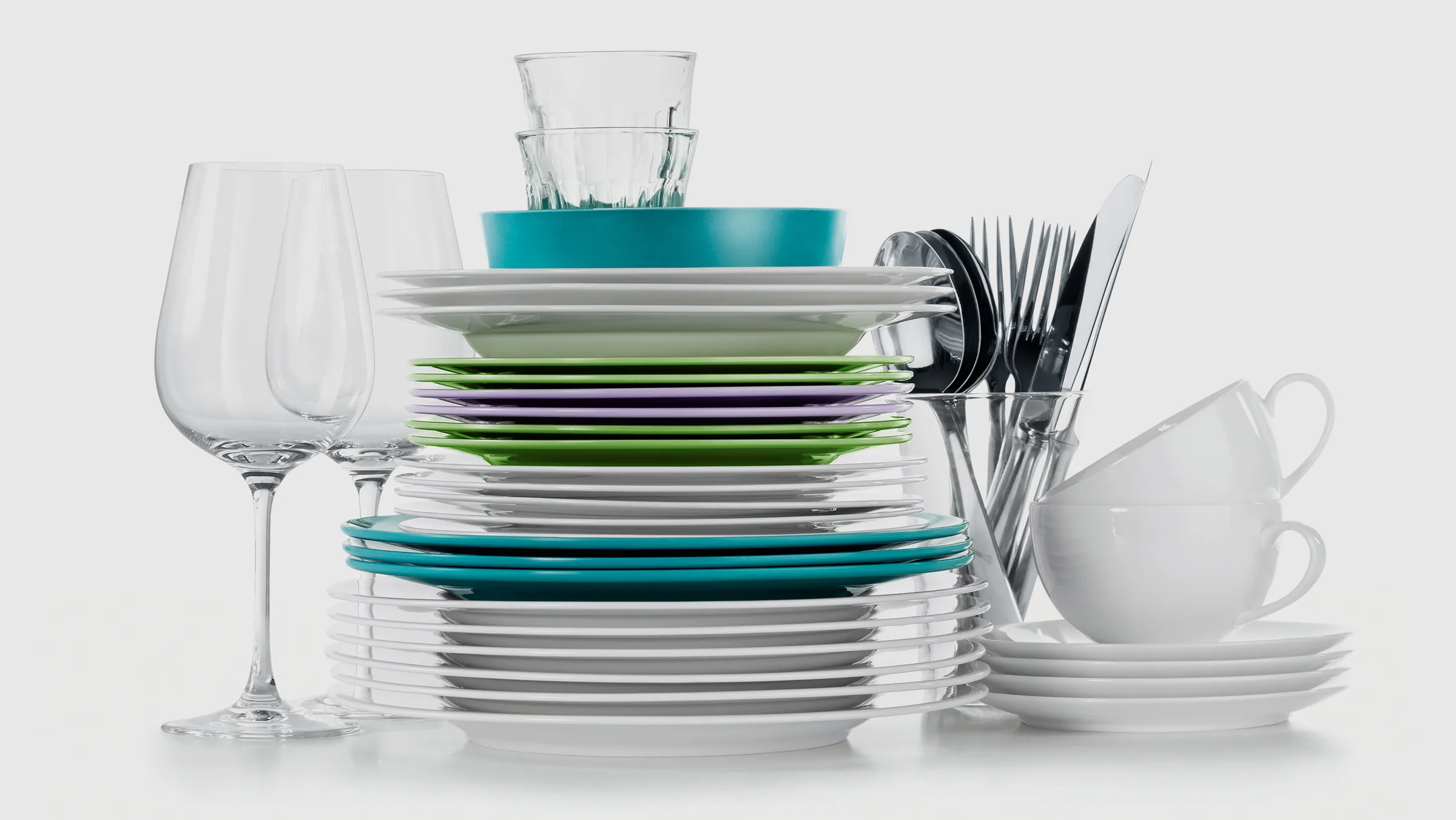
It takes about 15 minutes to stack and empty your dishwasher. When you roll up your sleeves to do the dirty work, you’ll be busy for about an hour. With a dishwasher in your household, you gain 45 minutes of free time with each load. That adds up to 210 hours each year – or a three-week holiday.³
The pick of our dishwashers.
Dishwashing made better by Bosch.
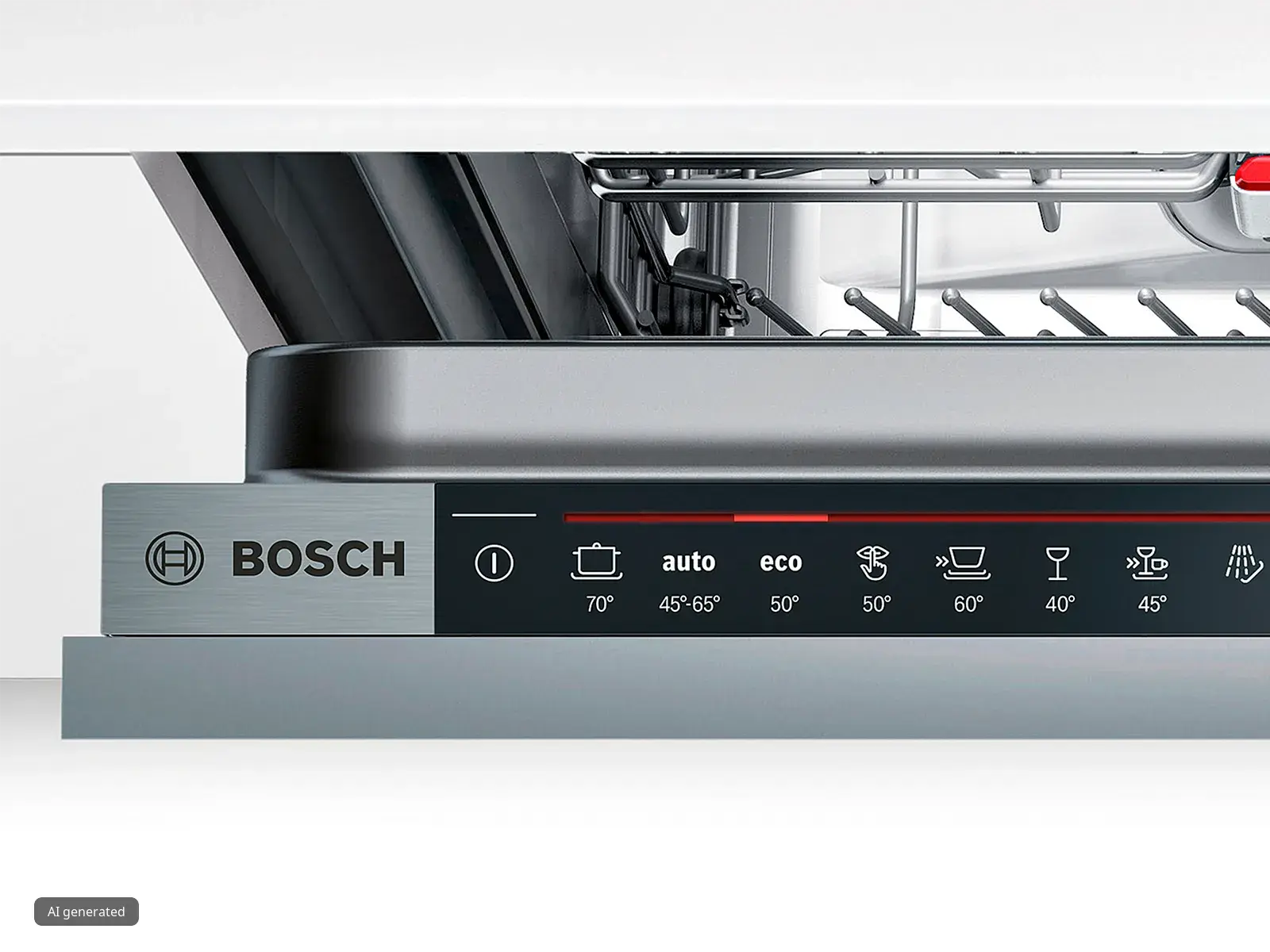
Frequently asked questions.
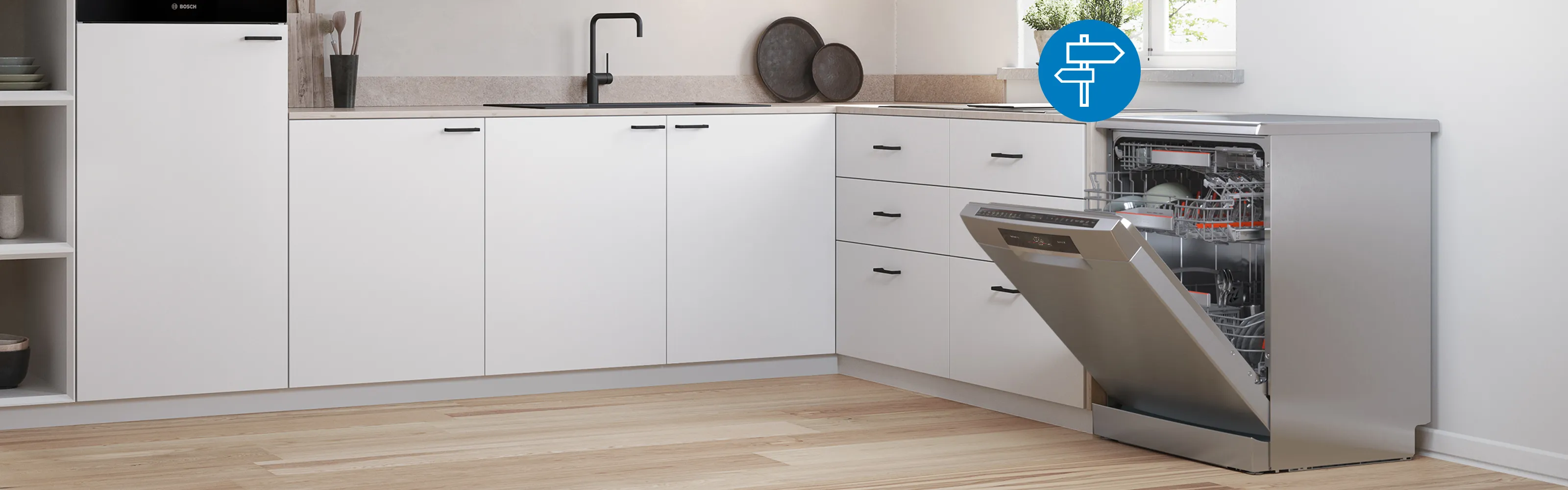
The Dishwasher Finder serves up the appliance of your dreams on a silver platter. Just enter a few details about what you need and want; we provide the best product matches.
Want to dive deeper into dishwashers?
Footnotes.
¹Study published in SOFW Journal no. 3/2006 by the University of Bonn in which over 100 participants from various European countries handwashed 13 place settings.
²A comparison of the efficiency of manual and automatic dishwashers for the removal of bacteria from domestic crockery, published in the International Journal of Consumer Studies in July 2007.
³Internal Bosch research comparing doing dishes with a dishwasher versus hand-washing. 60 min (hand washing) - 15 min (with dishwasher) = 45 minutes savings per cycle *280 cycles per year (210 hours per year).